25 Plant Stand Decor Design Ideas for Locking casters let you move a whole collection to follow the light and make cleaning underneath easy. Trays catch drips. A rolling bar cart from a thrift store can work with little modification.
A good plant stand does three jobs at once. It lifts a plant into the light, protects your floor, and turns a pot into part of the room’s design. This guide covers 25 plant stand decor design ideas, grouped by space and style, so you can find one that fits your home and then check it against the buying advice further down.
Quick answer: For most homes, a stand between roughly 18 and 36 inches tall works well, as long as it is stable, carries the full weight of a watered pot, and suits the room’s style. Small rooms do best with vertical or corner designs. Balconies need weather-resistant materials. The sections below explain how to choose.
Quick-Pick Table: All 25 Designs at a Glance
| # | Design | Best for | Where | Buy or DIY |
|---|---|---|---|---|
| 1 | Slim ladder stand | Narrow walls | Indoor | Either |
| 2 | Corner tiered stand | Unused corners | Indoor | Buy |
| 3 | Wall-mounted shelves | Very small rooms | Indoor | Either |
| 4 | Narrow metal tier rack | Beside sofas or windows | Indoor | Buy |
| 5 | Bookshelf display | Renters on a budget | Indoor | Repurpose |
| 6 | Scandinavian light-wood stand | Neutral, calm rooms | Indoor | Either |
| 7 | Black geometric metal stand | Modern spaces | Indoor | Buy |
| 8 | Mid-century tripod pedestal | Statement plants | Indoor | Either |
| 9 | White modular cube stand | Minimalist rooms | Indoor | Buy |
| 10 | Rattan basket tower | Boho living rooms | Indoor | Buy |
| 11 | Bamboo tiered stand | Herbs and succulents | Indoor | Either |
| 12 | Macramé hanging display | Low floor space | Indoor | DIY |
| 13 | Reclaimed-wood plank shelf | Collected, warm looks | Indoor | DIY |
| 14 | Vintage crate stack | Rustic corners | Indoor/covered | DIY |
| 15 | Repurposed chair or stool | Single plants | Indoor | DIY |
| 16 | Industrial pipe shelving | Lofts | Indoor | DIY |
| 17 | Concrete-and-steel stand | Bold, heavy looks | Indoor | DIY |
| 18 | Gold-frame display | Entryways | Indoor | Buy |
| 19 | Art deco mirrored-base stand | Formal rooms | Indoor | Buy |
| 20 | Weather-resistant metal rack | Patios | Outdoor | Buy |
| 21 | Sealed wood patio stand | Covered porches | Outdoor | Either |
| 22 | Railing-mounted shelf | Narrow balconies | Outdoor | Buy |
| 23 | Folding balcony stand | Seasonal storage | Outdoor | Buy |
| 24 | LED grow-light tower | Low-light homes | Indoor | Buy |
| 25 | Rolling plant cart | Chasing the light | Indoor | Either |
Small-Space Plant Stand Designs
Small rooms reward vertical thinking. Use corners, walls and narrow strips of floor rather than the middle of the room.
1. Slim Ladder Stand
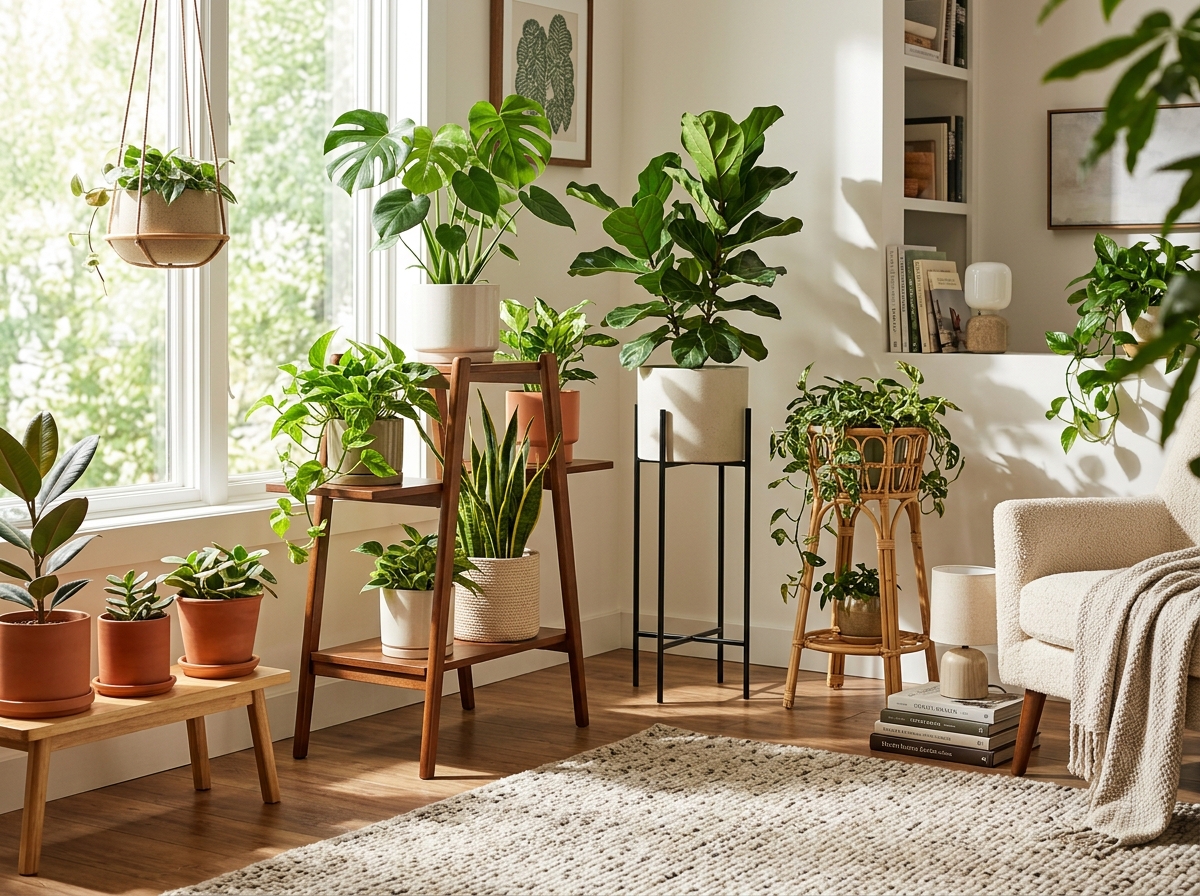
A leaning ladder shelf adds several display levels without widening its footprint. It suits studio apartments and narrow walls. Put trailing plants like pothos or ivy on the upper rungs and sturdier plants lower down. Secure the top to the wall so it cannot tip.

2. Corner Tiered Stand
Corners are often wasted, and a tiered stand fills the angle neatly. An open metal frame looks lighter than a solid one in a small room. Place fuller plants on the bottom tier and let trailing types spill from above.

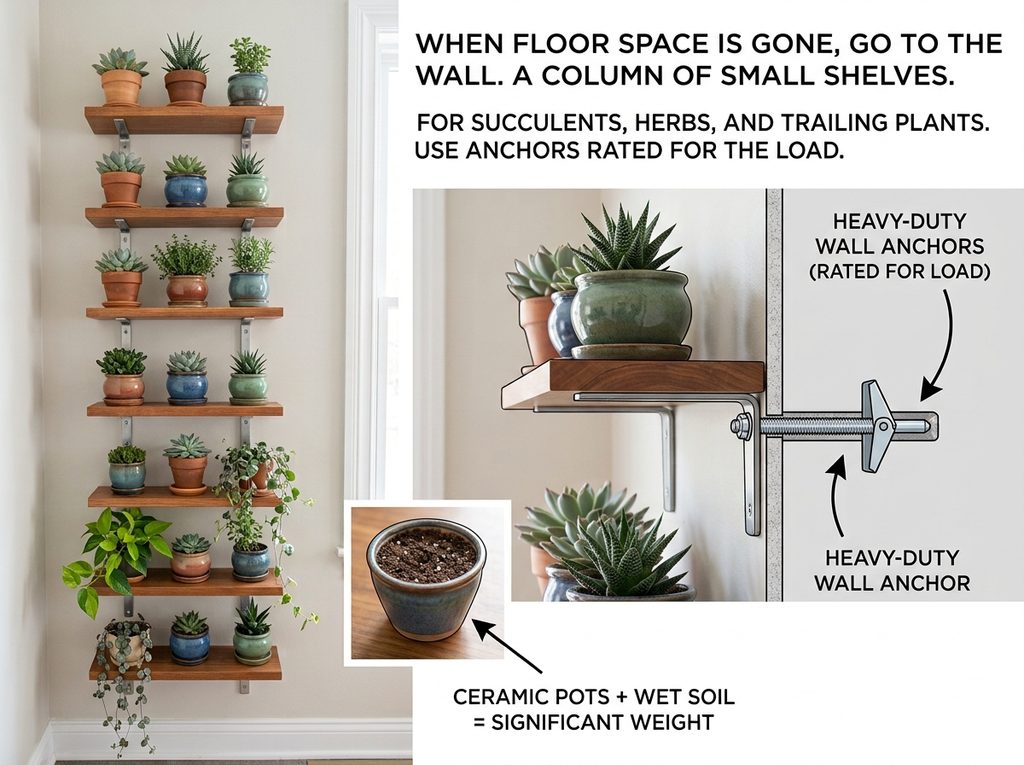
3. Wall-Mounted Floating Shelves
When floor space is gone, go to the wall. A column of small shelves works well for succulents, herbs and trailing plants. Use anchors rated for the load, since ceramic pots and wet soil add up quickly.
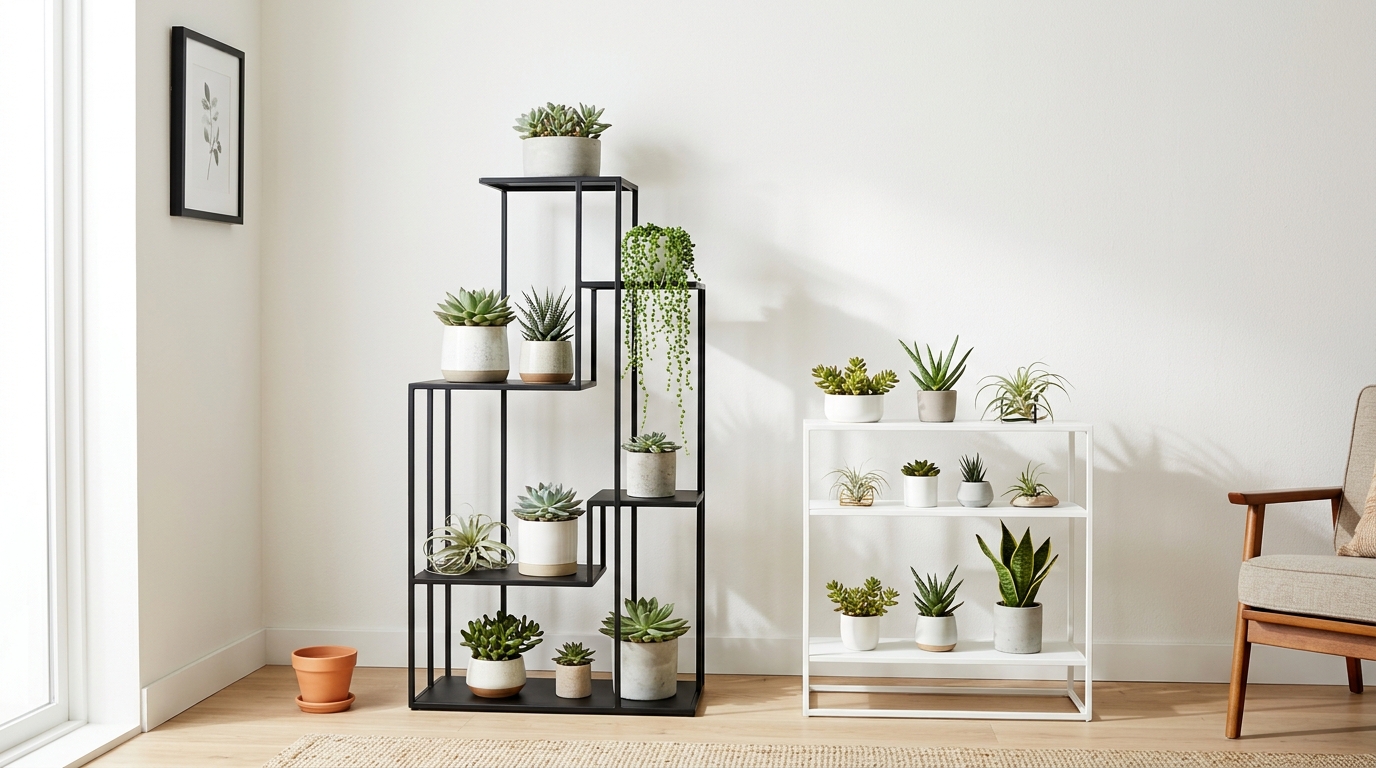
4. Narrow Metal Tier Rack
A slim rack fits beside a sofa or under a window and keeps a clean silhouette. It suits lightweight pots and small plants. Check the shelf capacity before loading it.

5. Repurposed Bookshelf
A small bookshelf makes a low-cost plant display, and renters can take it with them. Mix plants with a few books or objects, and put water trays under every pot to protect the wood.

Modern and Minimalist Designs
Restraint is the point here. Fewer plants in matching pots usually look better than a crowded shelf.

6. Scandinavian Light-Wood Stand
Light oak or birch with slim tapered legs keeps a room calm and airy. Pair it with white or pale ceramic pots and two or three well-chosen plants.

7. Black Geometric Metal Stand
A black metal frame gives strong contrast against white walls. Choose structural plants such as snake plant or aloe so the plant and the frame do not compete.

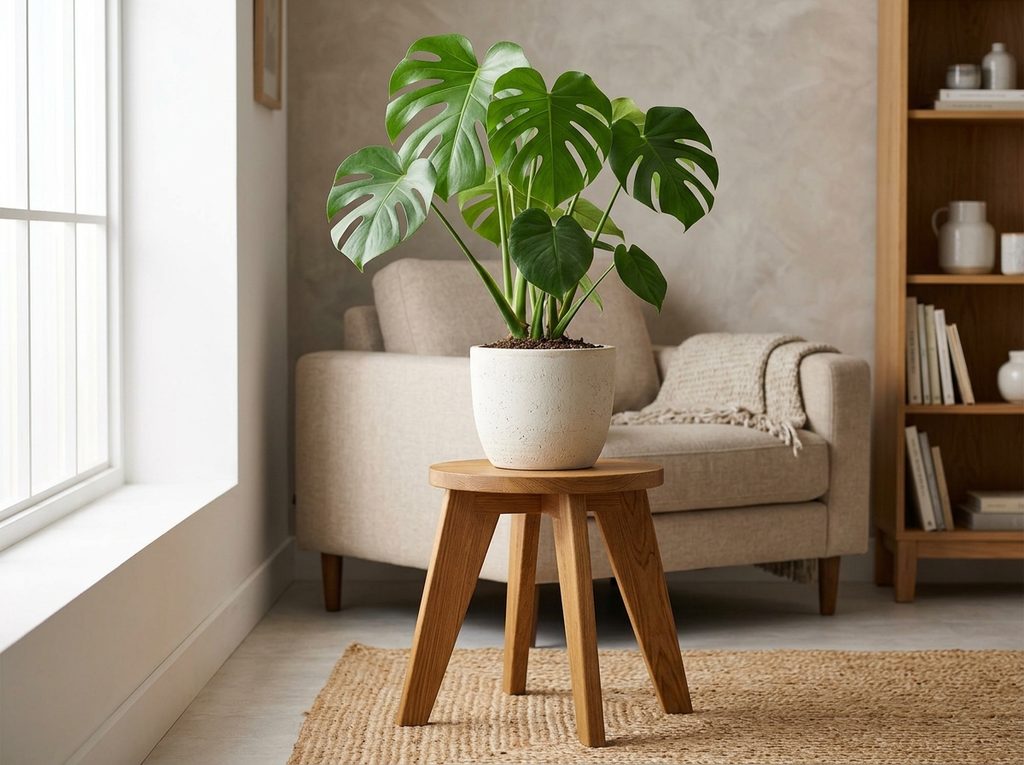
8. Mid-Century Tripod Pedestal
Angled legs and a round top raise a single statement plant, such as a monstera or fiddle-leaf fig, to eye level. Pick a wide, stable base for a tall plant.
9. White Modular Cube Stand
Stackable cubes let you rearrange the display as your collection grows. They suit minimalist rooms. Vary plant heights and textures so the arrangement does not look flat.

Boho and Natural-Material Designs
These use natural textures like rattan, bamboo and rope to bring warmth into a room.

10. Rattan Basket Tower
Woven baskets on a wooden frame give a relaxed boho look. Keep it indoors or under cover, and put plastic or ceramic liners inside so water never touches the weave.

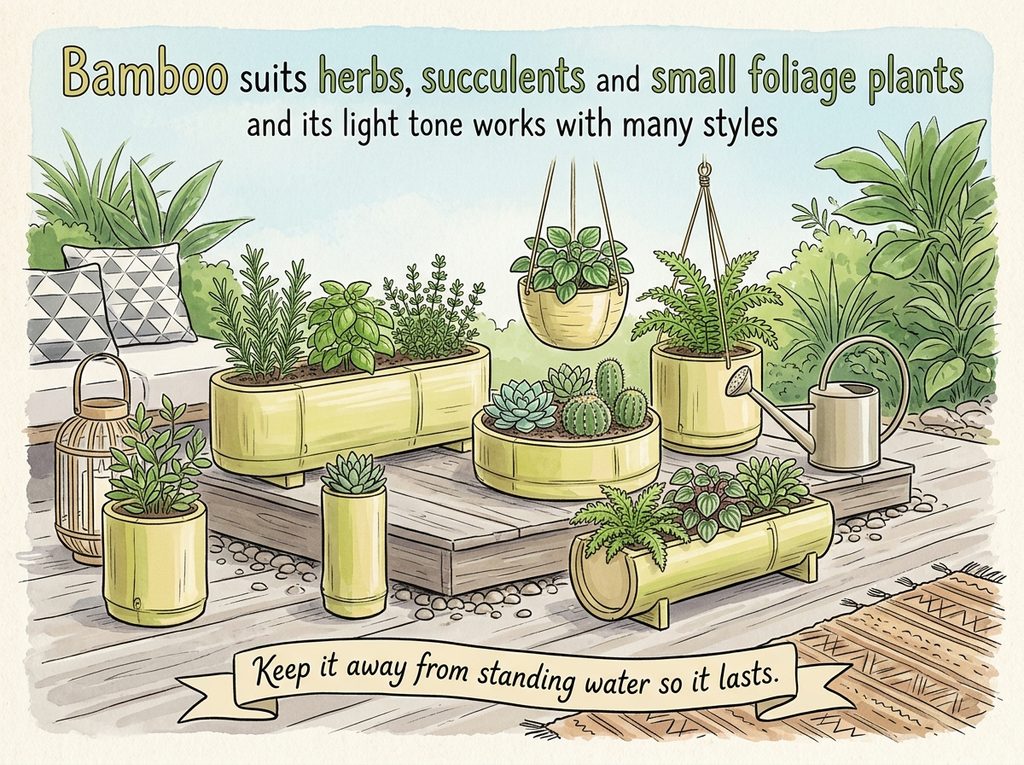
11. Bamboo Tiered Stand
Bamboo suits herbs, succulents and small foliage plants, and its light tone works with many styles. Keep it away from standing water so it lasts.

12. Macramé Hanging Display
Knotted hangers at different heights create a floating garden without using floor space. Use lightweight plants, and fix hooks into a ceiling joist rather than drywall alone.
13. Reclaimed-Wood Plank Shelf
Weathered wood gives a collected-over-time look. Clean and check reclaimed boards carefully before bringing them inside, and seal them so water marks do not build up.

Rustic, Farmhouse and Industrial Designs
14. Vintage Crate Stack
Stacked crates create instant shelving with plenty of character. Screw or bracket them together so the stack stays stable, especially above three levels.

15. Repurposed Chair or Stool
An old stool or a chair with the seat removed makes a charming single-plant stand. Costa Farms suggests stools for staging plants, and notes that any stand needs protection from water damage unless it comes with its own liner.

16. Industrial Pipe Shelving
Black pipes and dark planks give a warehouse-loft look and are easy to customize. Soft, leafy plants balance the hard materials.

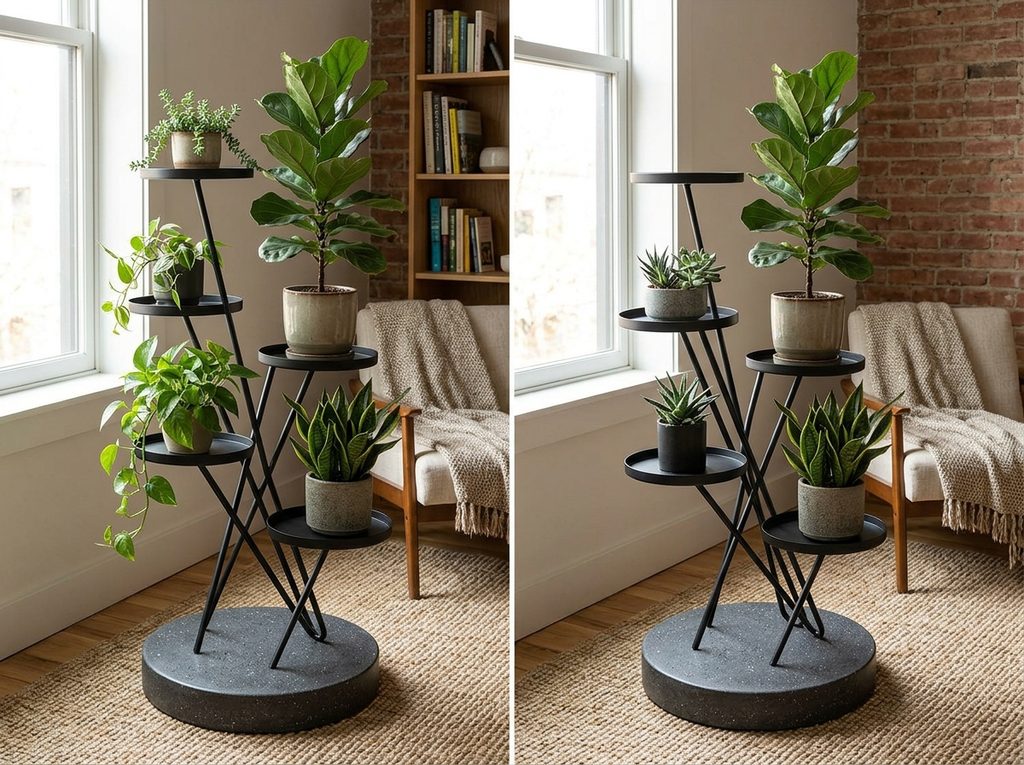
17. Concrete-and-Steel Stand
A heavy base with slim rods and round trays looks sculptural. It is stable, which is useful for taller plants, but it is heavy to move, so decide on its position first.
Glam and Statement Designs
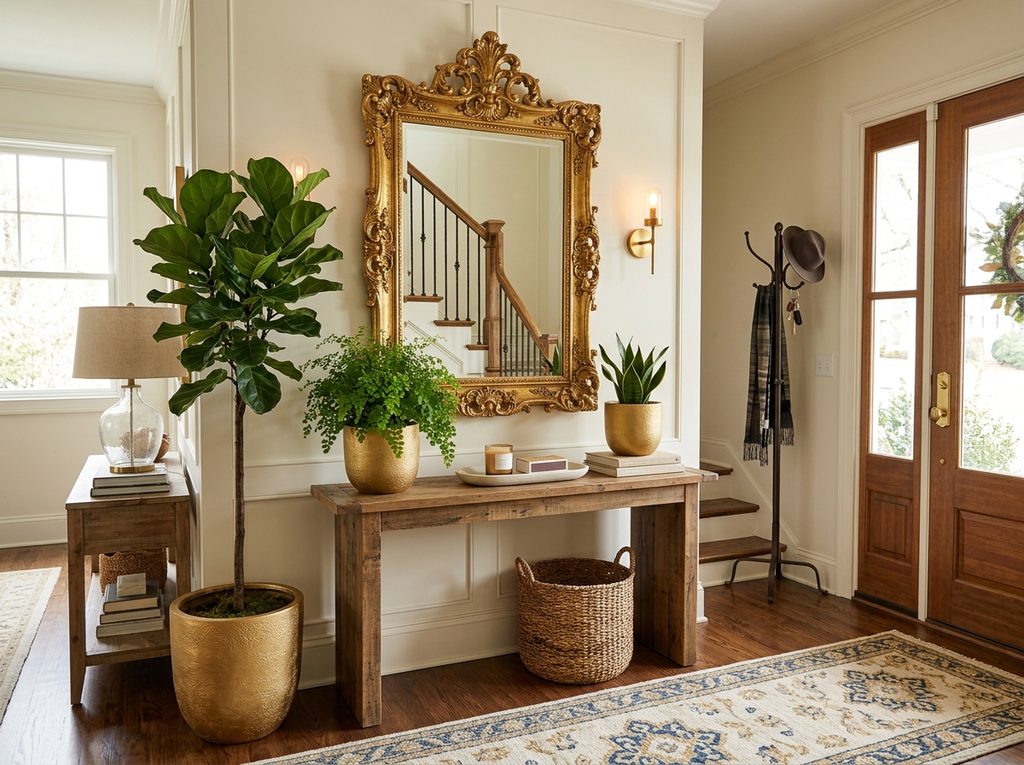
18. Gold-Frame Display
A gold frame with matching planters becomes a focal point in an entryway or living room. Keep pot colors cohesive so the frame stays the star.
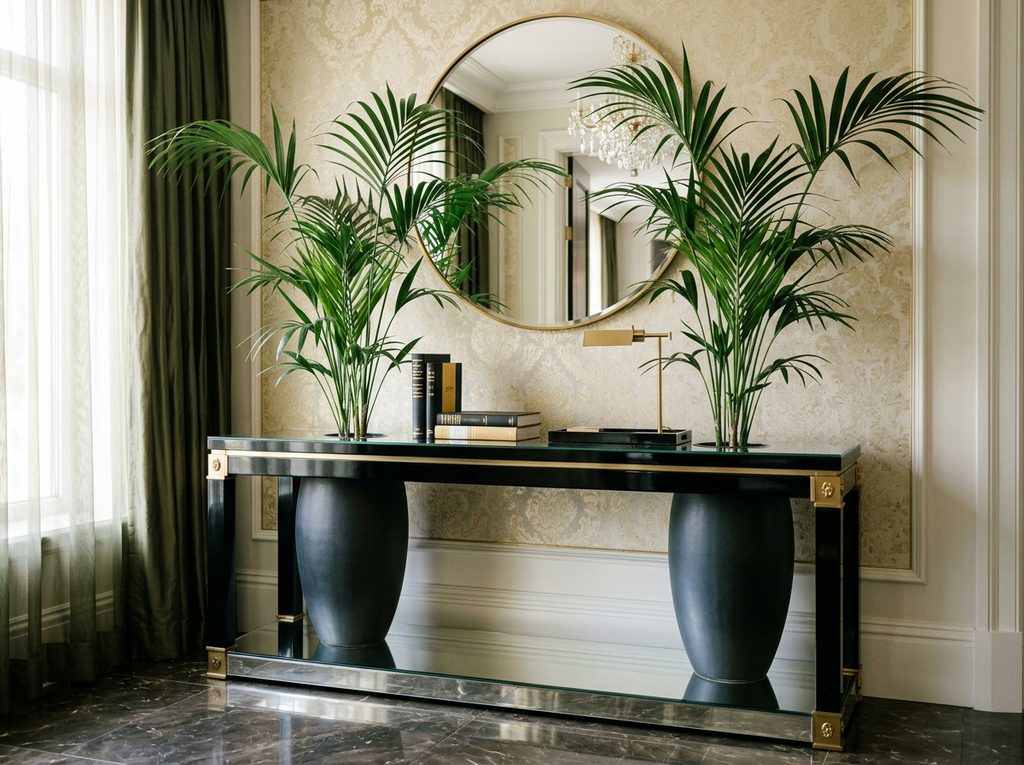
19. Art Deco Mirrored-Base Stand
A glossy black or gold frame with a mirrored base suits a formal room. Dark, sleek pots and arching palms complete the look.
Balcony and Outdoor Designs
Outdoor stands face rain, sun and wind. Prioritize durable materials and stability.
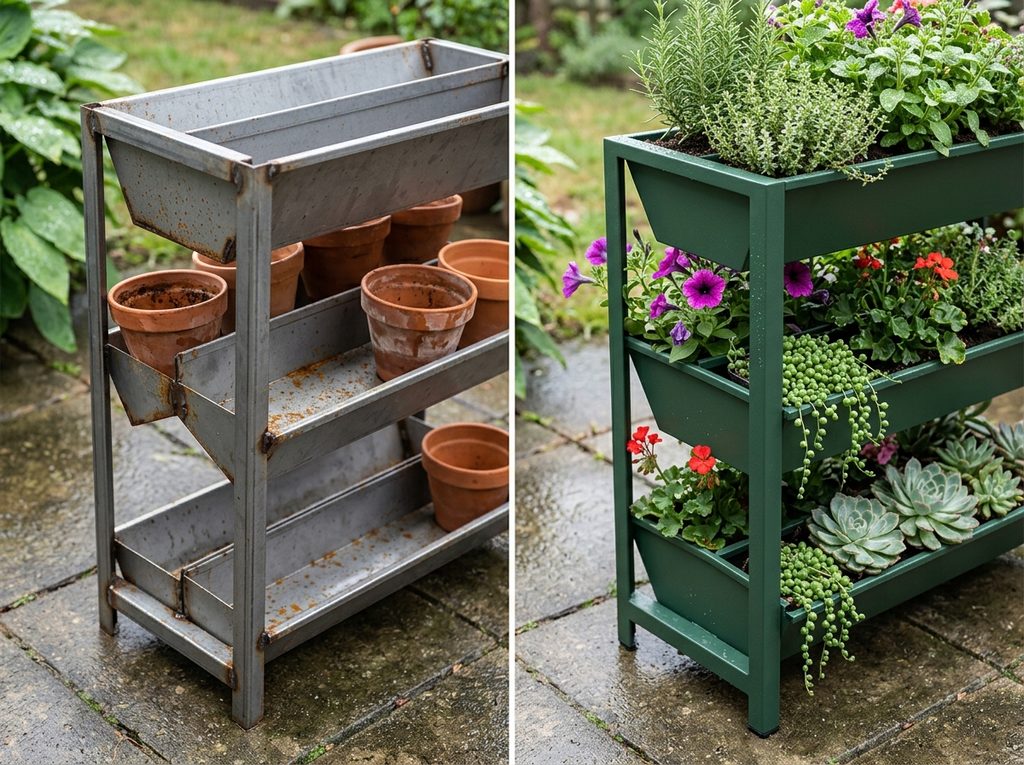
20. Weather-Resistant Metal Rack
Powder-coated steel handles moisture better than bare metal. A multi-tier rack displays herbs, flowers and succulents in a small footprint.
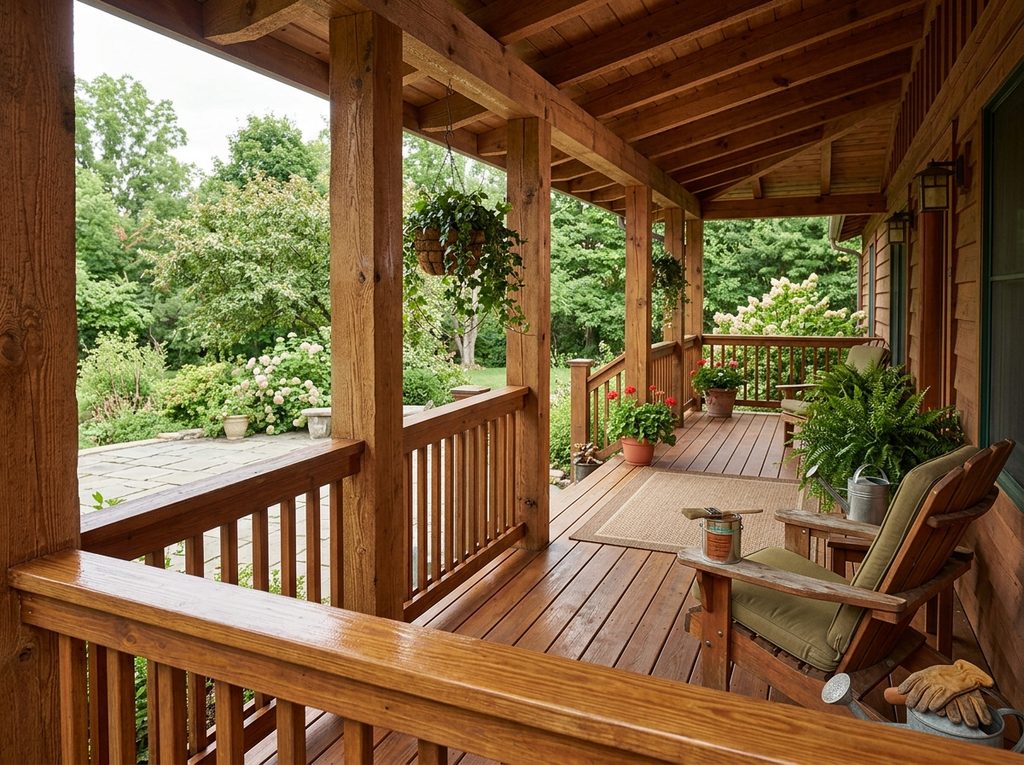
21. Sealed Wood Patio Stand
Wood suits a natural look but needs treatment or sealing outdoors, and that sealing needs renewing over time. It works best on covered porches and terraces.
22. Railing-Mounted Shelf
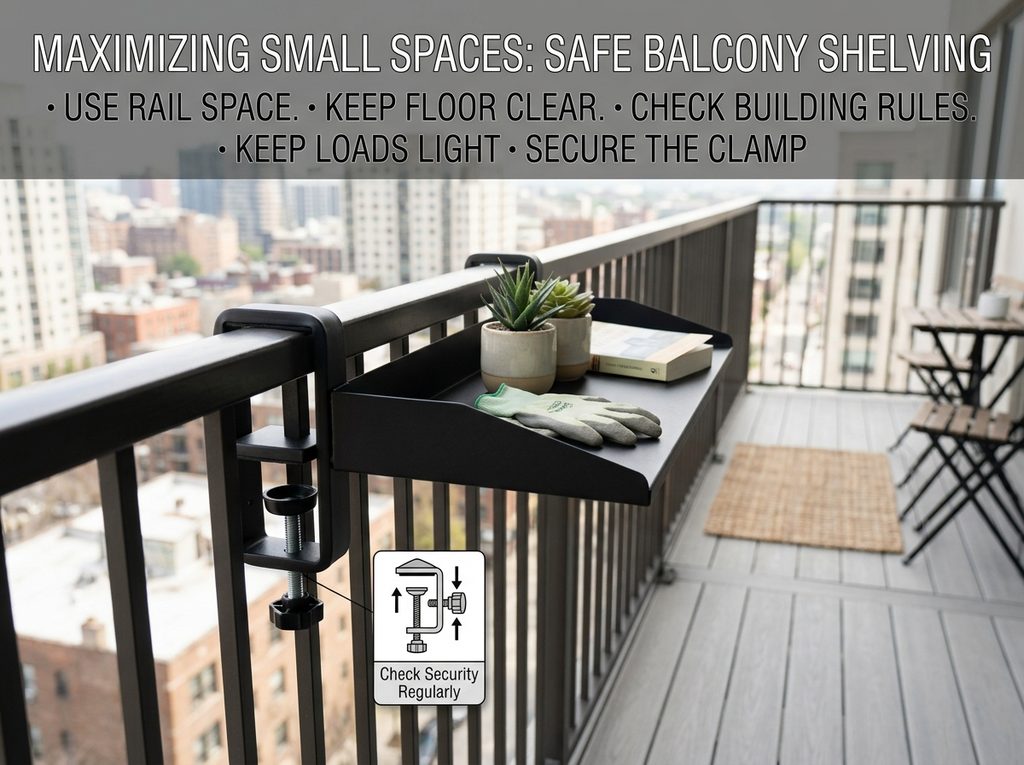
Clamp-on shelves use rail space and keep the floor clear. Check your building rules first, keep loads light, and make sure the clamp is secure, especially on upper floors.
23. Folding Balcony Stand
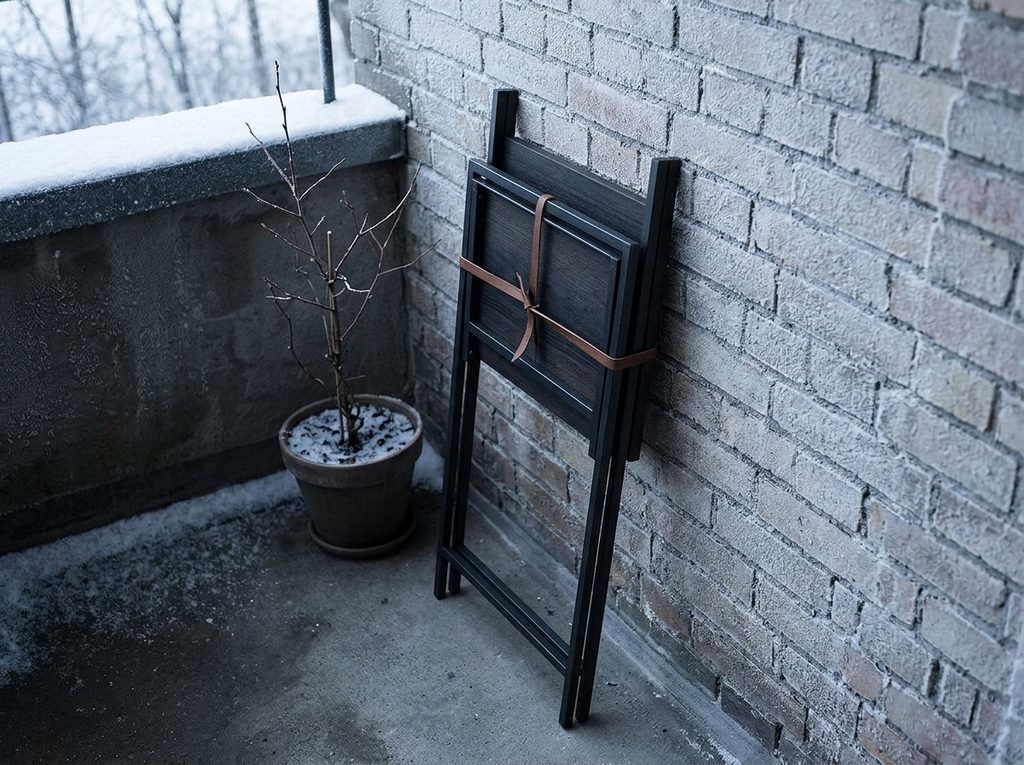
A foldable stand can be stored flat over winter, so it suits seasonal displays and small balconies.
Functional Designs
24. LED Grow-Light Tower
If a room gets little natural light, a shelving tower with built-in grow lights lets you keep plants that would otherwise struggle. Look for adjustable timers and keep the lights within the manufacturer’s recommended distance.

25. Rolling Plant Cart
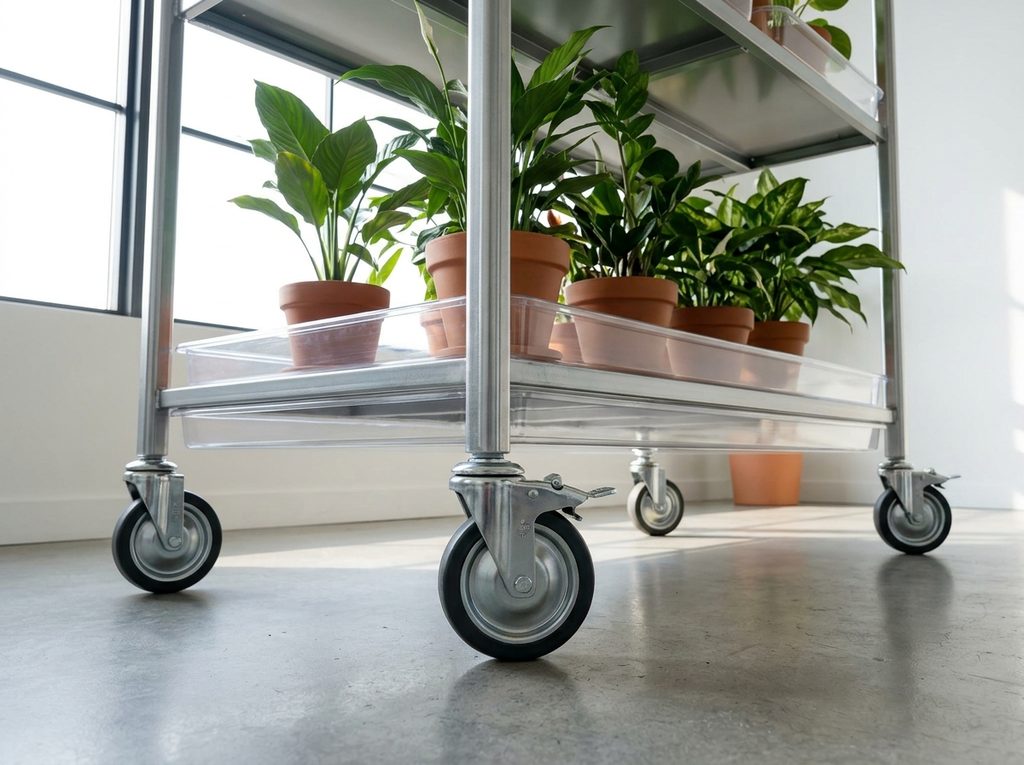
Locking casters let you move a whole collection to follow the light and make cleaning underneath easy. Trays catch drips. A rolling bar cart from a thrift store can work with little modification.
How to Choose the Right Plant Stand
Height Guide
There is no single official standard. Guides online give overlapping ranges, from about 12 to 36 inches for general stands and 18 to 30 inches for mid-height ones, while tall pedestal stands are often described as 30 to 40 inches. Treat these as rules of thumb and adjust to your plant and room.
| Situation | Rule-of-thumb height | Why |
|---|---|---|
| Trailing plants (pothos, string of pearls) | Mid to tall, with drop space below | Vines need room to hang |
| Upright plants (snake plant, ZZ plant) | Low to mid | Their shape is already tall |
| Statement plant (monstera, fiddle-leaf fig) | Pot near eye level | It becomes a focal point |
| Beside a sofa or bed | Mid-height | Avoids blocking sightlines |
| Window sill zone | Low to mid | Keeps the stand from blocking light |
Is a 25-inch plant stand a good height? Yes, for many homes. It sits within the common mid-height range, suits trailing plants beside a sofa or bed, and does not dominate a small room. It may be too low for a large statement plant you want at eye level.
Weight and Stability
Add up the weight of the pot, the wet soil and the plant. Moist soil is heavy, and one source suggests roughly 8 to 10 pounds per gallon, so measure your own pots rather than trusting a guess. Put the heaviest pot on the lowest level and choose a stand with a wide, level base and felt or rubber feet.
For tall or narrow stands, especially in homes with children or pets, anchor them to the wall. The U.S. Consumer Product Safety Commission’s Anchor It! guidance is aimed at furniture, and plant stands are not exempt just because they hold plants. [Add CPSC link after verifying.]
Materials Compared
| Material | Best for | Watch out for |
|---|---|---|
| Powder-coated steel | Indoor and outdoor | Chips can rust; metal heats in direct sun |
| Wrought iron | Outdoor and traditional looks | Weight and rust if the finish wears |
| Treated or sealed wood | Indoor, covered outdoor | Water marks and warping |
| Bamboo | Indoor, herbs and small plants | Standing water |
| Rattan or wicker | Indoor or covered spaces | Moisture exposure |
| Concrete | Heavy plants, bold looks | Weight and moving it |
How to Style a Plant Stand
- Vary height. Plants at the same level blend together. Put a taller plant at the back or top, medium ones nearby, and trailing plants at the front or edges.
- Limit your palette. Aosom suggests sticking to two or three main colors so the arrangement feels intentional. Repeat a pot color or material across the display.
- Layer with restraint. One or two decorative objects, like a small lantern or a stack of books, are enough.
- Match the stand to the room. Choose a stand whose finish echoes your furniture, such as light wood with a light wood table.
- Check plant safety. Some popular houseplants, including pothos and monstera, are toxic to cats and dogs if chewed. Check a pet-safety list such as the ASPCA’s before placing plants within reach.
Buy or DIY?
Buying is faster and usually tested for stability, so it suits tall stands and outdoor use. DIY lets you match a stand to your exact space and style, and suits crates, ladders, stools and shelves. Whichever you choose, apply the same weight and anchoring checks.
Common Plant Stand Mistakes
- Choosing a stand for looks without checking the weight capacity.
- Letting water pool on wood or in recessed shelves. Use trays or liners.
- Blocking light with a tall stand in front of a window.
- Placing heat-sensitive plants on the sunniest tier of a metal stand.
- Overcrowding tiers so leaves have no room and air cannot circulate.
FAQ
What height should a plant stand be?
Most homes do well with a stand between about 18 and 36 inches. Choose based on the plant’s size, whether it trails or grows upright, and where you will view it from.
Are plant stands safe for heavy pots?
Yes, if the stand’s weight rating covers pot, soil and water, and its base is stable. Put heavy pots low and anchor tall stands.
Can wooden plant stands be used outdoors?
Only if they are treated or sealed for outdoor use, and even then a covered spot helps them last.
What is the best material for an outdoor plant stand?
Powder-coated steel and treated hardwood are common choices for durability. Check that the finish is intact.
How do I decorate a plant stand?
Vary plant heights, keep to two or three colors, and add one or two small decorative items.
Do tiered stands block sunlight?
They can. Leave space between levels and rotate plants so each gets light.
How many plants can one stand hold?
As many as its weight rating and spacing allow. Avoid crowding so leaves have room.
Is a 25-inch plant stand a good size?
For many mid-size and trailing plants, yes. See the height guide above.
Conclusion
The best plant stand is the one that fits your space, your plants and your safety needs. Start with the room: corners and walls for small spaces, weather-resistant materials for balconies, and matching finishes for a polished look. Then check height, weight and stability before you buy or build. Use the quick-pick table to shortlist two or three designs, and you can turn a few pots into a display that looks planned.
Publishing notes (for you):
- Add your own photos or credited images for each of the 25 ideas, and write alt text that describes what is in each one.
- Add a real author bio. Only add first-hand claims, such as tests or measurements, if you actually did them.
- Verify the CPSC link and add a university extension link for light needs before publishing. I did not include URLs I could not confirm.
- The height ranges and the soil-weight estimate come from secondary sources, so keep the “rule of thumb” wording.
- Add schema markup as planned in the blueprint (Article and ItemList).
Agar chahein to main isay Markdown ya Word file mein bhi bana doon.
One thought on “25 Plant Stand Decor Design Ideas for Every Room, Style and Budget”