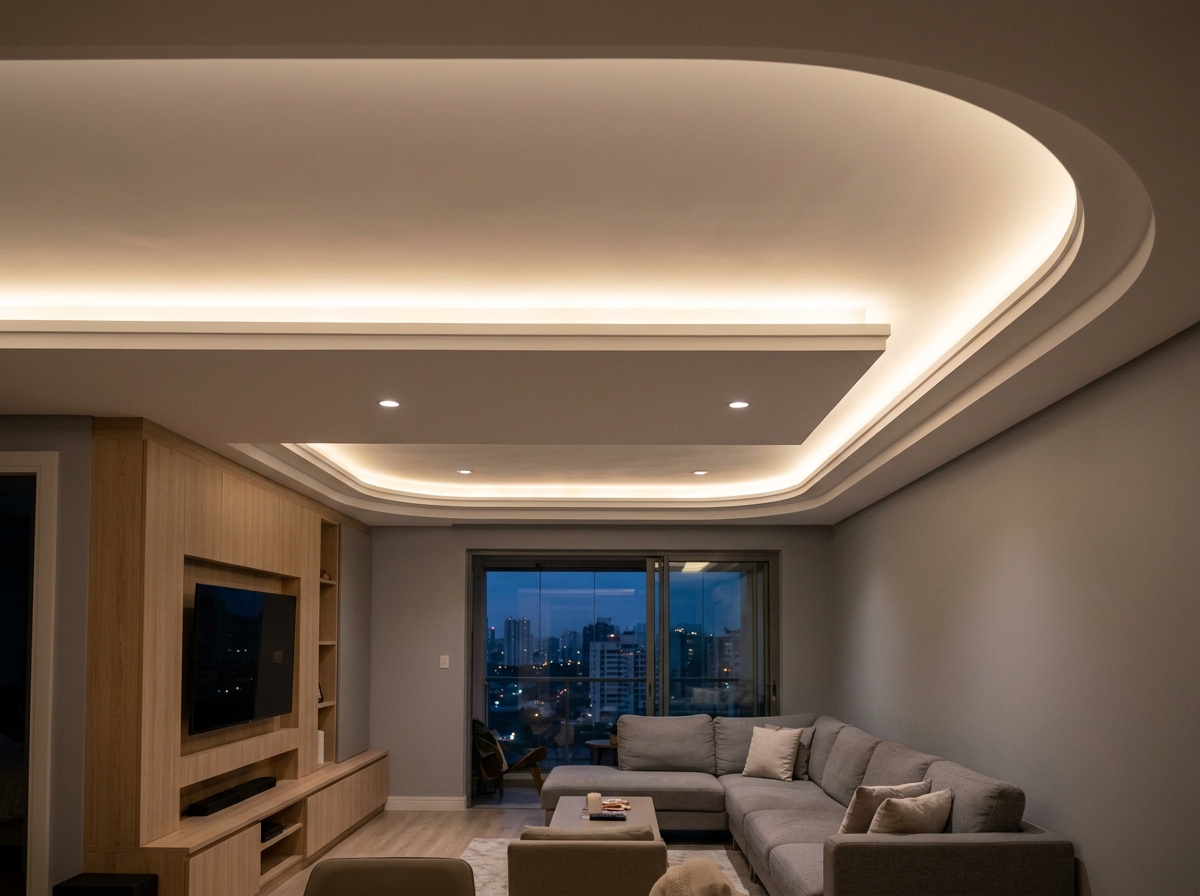
Most of us decorate a room, admire the paint, the furniture, the cushions — and then switch on a single harsh ceiling bulb that ruins the whole effect. Lighting is the invisible half of home decor. Get it right and even a modest room feels warm, layered and expensive. Get it wrong and the prettiest furniture looks flat and tired.
The good news? You don’t need an electrician’s degree or a big budget. You just need to understand the three layers of light — ambient, task and accent — and how to combine them room by room. Here is a complete, practical guide to home lighting ideas that work beautifully in Pakistani homes. These home lighting ideas show you exactly how to combine the three layers in every room.
The Three Layers of Home Lighting
Every well-lit room uses three kinds of light, and each one has a job. Master these three layers and most home lighting ideas become simple, affordable combinations.
1. Ambient lighting
Ambient light is your base layer — the general illumination that lets you see and move around safely. In most Pakistani homes this is the ceiling light: a central fixture, a fan with a light, or recessed downlights. It should be even and comfortable, never glaring.
2. Task lighting
Task lighting is focused light for activities: reading, cooking, studying, getting dressed. Table lamps, desk lamps, under-cabinet kitchen strips and bedside lights all belong here. This is the layer most homes are missing.
3. Accent lighting
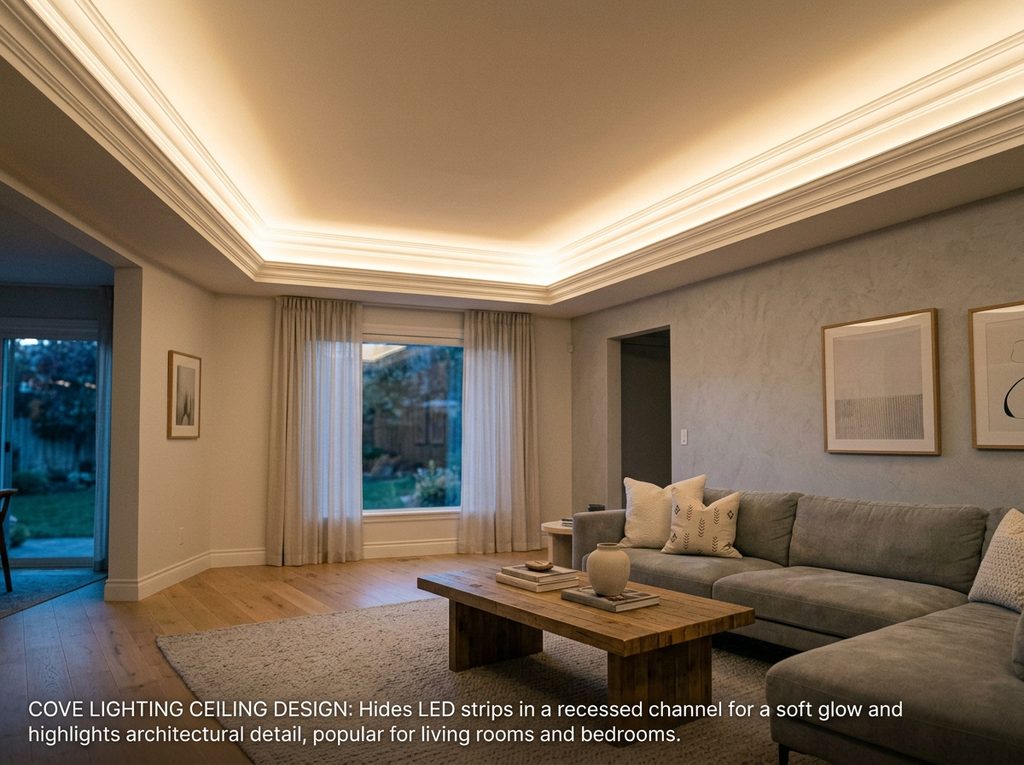
Accent light is decoration in light form. It highlights what you love — a painting, a textured wall, a shelf of plants or ceramics. Wall washers, picture lights, LED strips behind a TV panel and cove lighting all create depth and mood.
The rule is simple: no room should rely on one layer alone. Combine at least two, and three where it matters.
Living Room Lighting Ideas
The living room is where family gathers and guests are received, so it needs the most flexibility. These home lighting ideas for the living room start with a flexible base.
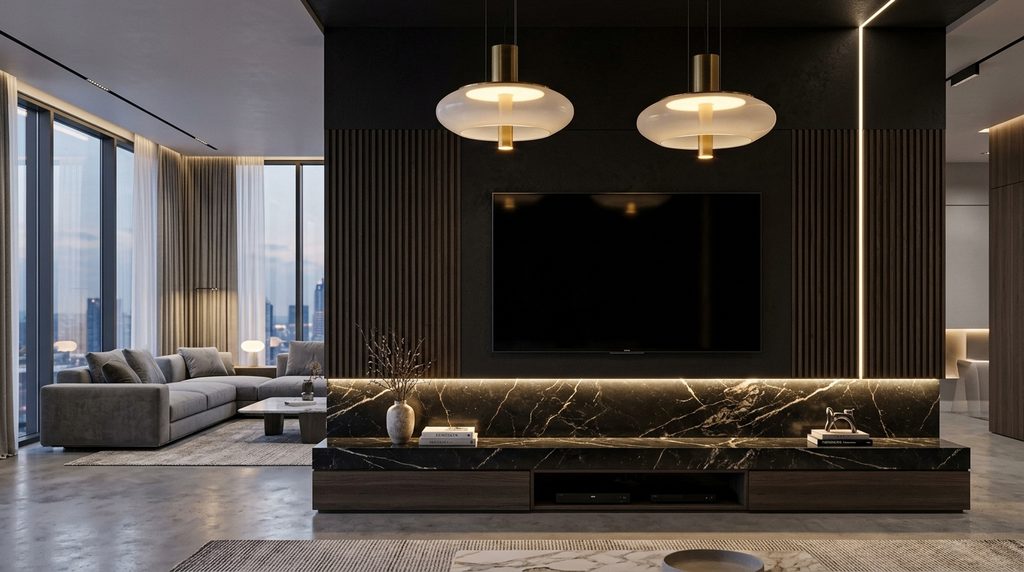
Start with a central ambient source — a statement chandelier or a flush-mount fixture that suits your ceiling height. Then add a floor lamp beside the main sofa and a table lamp on a side console for task and accent light. If you have a TV wall, a soft LED strip behind the panel cuts screen glare and makes evening viewing far more comfortable.
For guests, nothing beats dimmable warm light. If rewiring for a dimmer feels like too much, simply use two circuits: bright ceiling lights for cleaning and daytime, and lamps plus wall lights for the evening. Our guide to drawing room decoration has more ideas for styling the space these lights will live in.
Bedroom Lighting Ideas
Bedrooms should feel like a retreat, and lighting sets that mood more than any other element. The best home lighting ideas for bedrooms focus on softness and control.
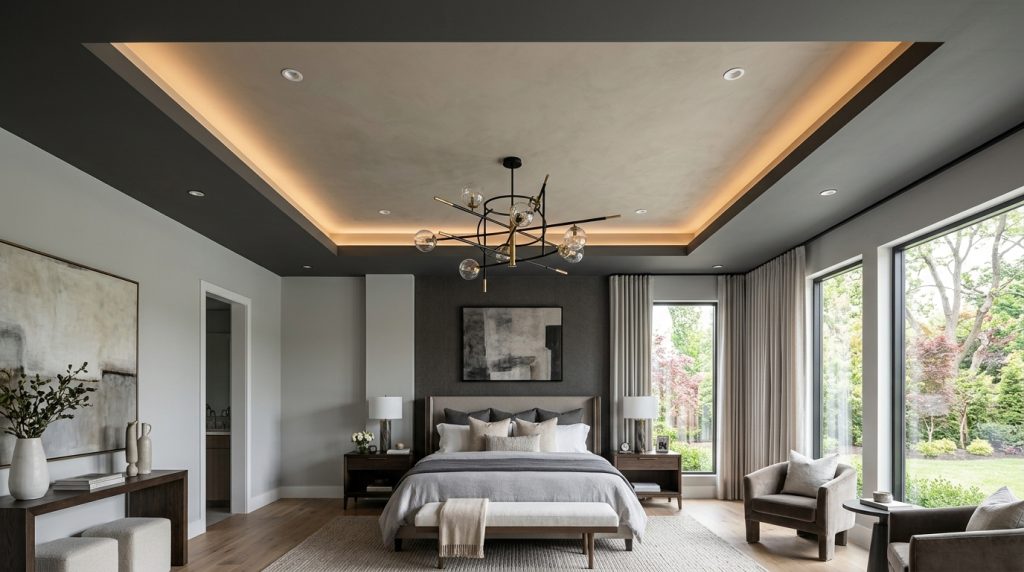
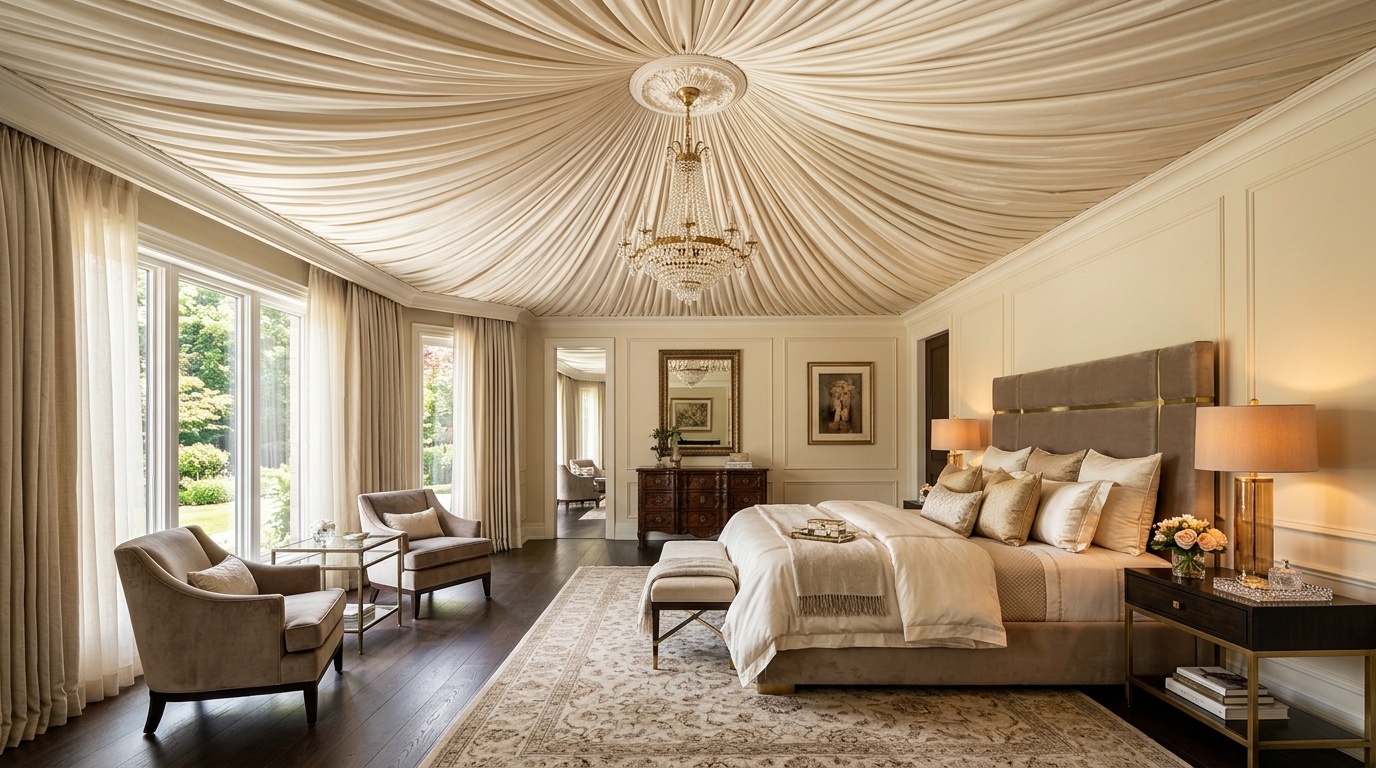
Skip the single bright ceiling bulb. Instead, pair a soft central light with bedside lamps on both nightstands — matching lamps look tidy, while different shapes look collected and personal. A warm colour temperature (around 2700K–3000K) is ideal here; cool white light in a bedroom feels clinical and makes it harder to wind down.
If you are planning a renovation, this is the room where ceiling design pays off most. Bedroom POP ceiling designs with cove lighting create a soft, indirect glow that flatters everything beneath it — far kinder than a bare tube light. Add a small reading light clipped to the headboard or a wall-mounted swing-arm lamp if one partner reads in bed.
Kitchen Lighting Ideas
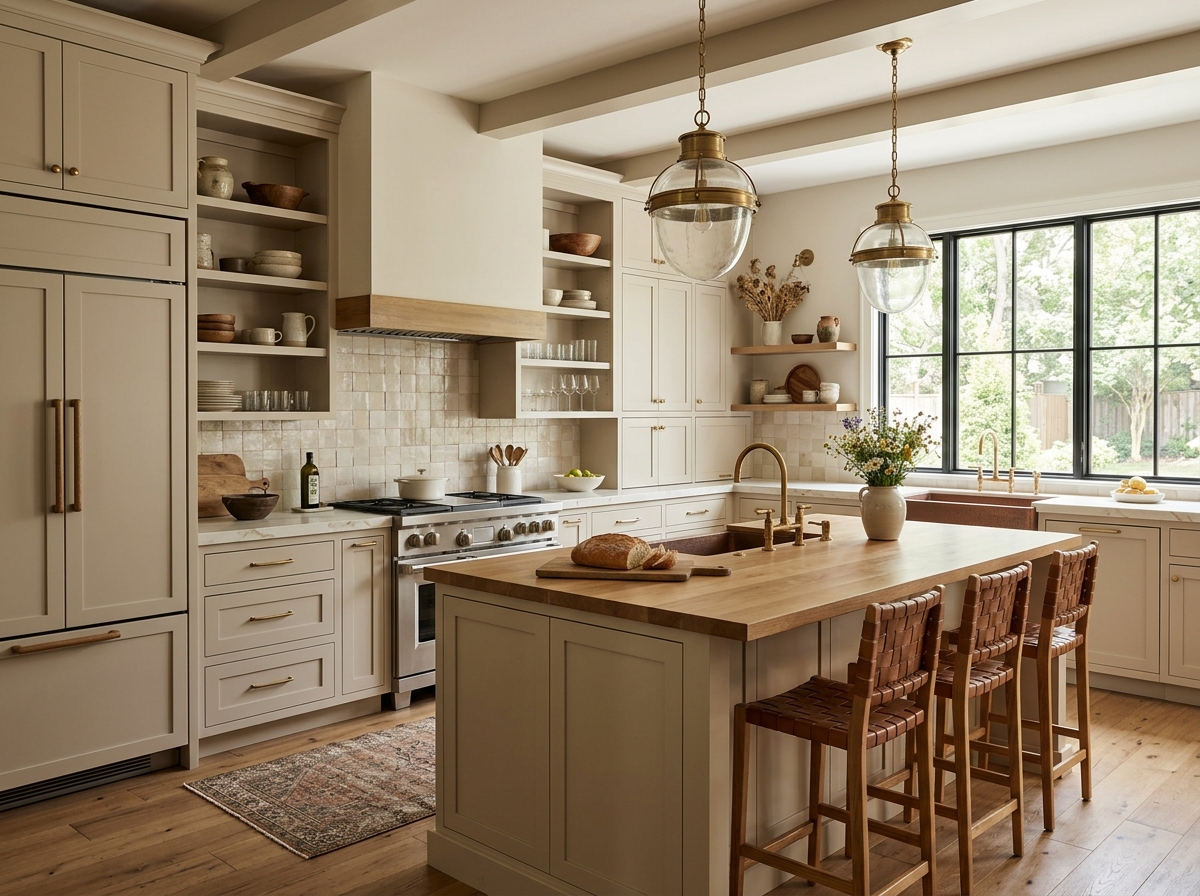
Kitchens are workspaces first, so task lighting is non-negotiable. The classic mistake is a single ceiling light behind you, which throws your own shadow onto the counter while you chop. The most practical home lighting ideas for kitchens start at the worktop.
Fix it with under-cabinet LED strips above the countertop — they are inexpensive, easy to install and transform how the kitchen feels at night. Add a bright ceiling fixture for general light, and if you have an island or a breakfast counter, hang two or three pendant lights above it for both task light and style.
Choose a neutral-to-cool white (around 4000K) for the work zones so you can see food colours accurately, and keep warm light for any dining corner attached to the kitchen.

Bathroom and Powder Room Lighting
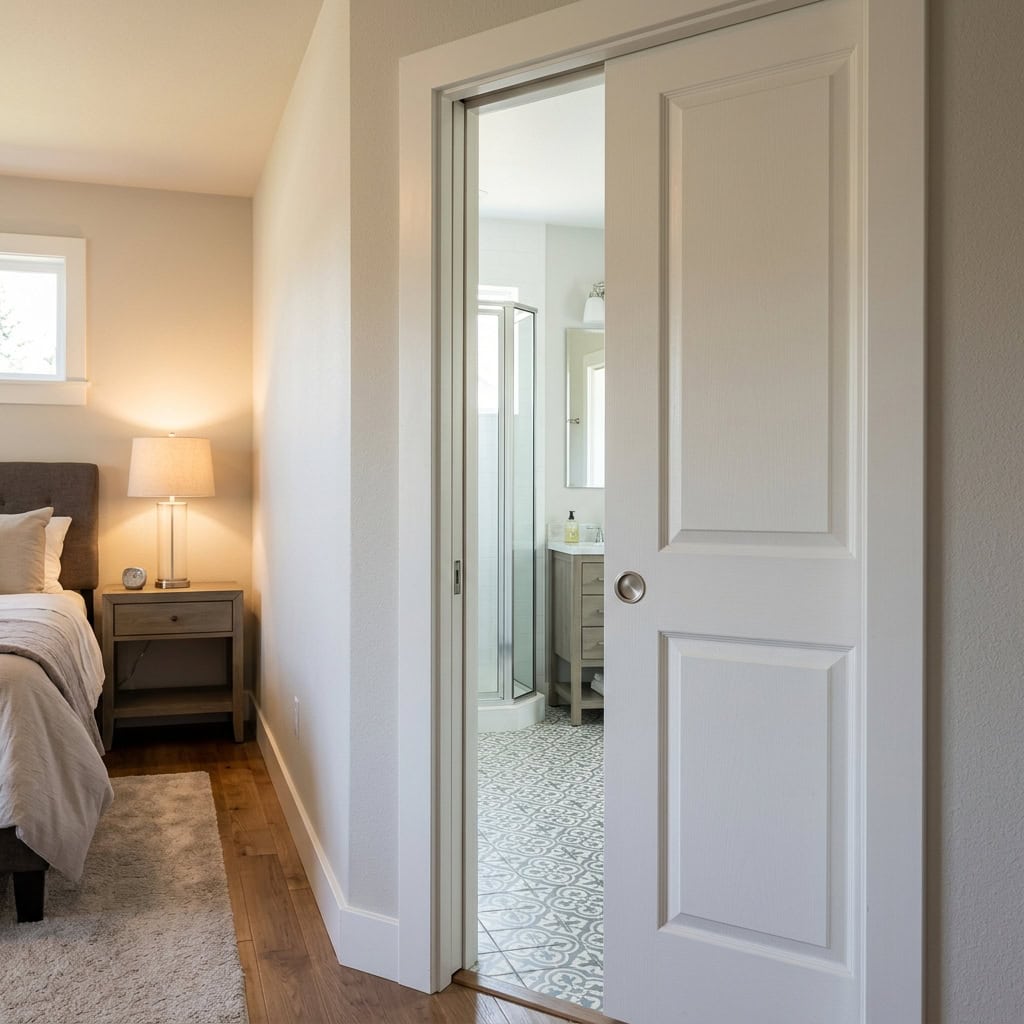
Bathrooms are small, so every fixture counts. The most flattering setup is even light on both sides of the mirror — wall sconces or vertical LED bars — rather than a single light above the mirror, which casts harsh shadows on the face. Keep the general ceiling light soft, and make sure all fixtures are rated for damp areas. These simple home lighting ideas make small bathrooms feel brighter and bigger.

Entrance, Balcony and Outdoor Lighting
First impressions start at the door. A warm wall lantern or two beside the main entrance makes the whole house feel welcoming after dark, and it is genuinely useful for finding keys and locks. Outdoor home lighting ideas like these are inexpensive and instantly effective.
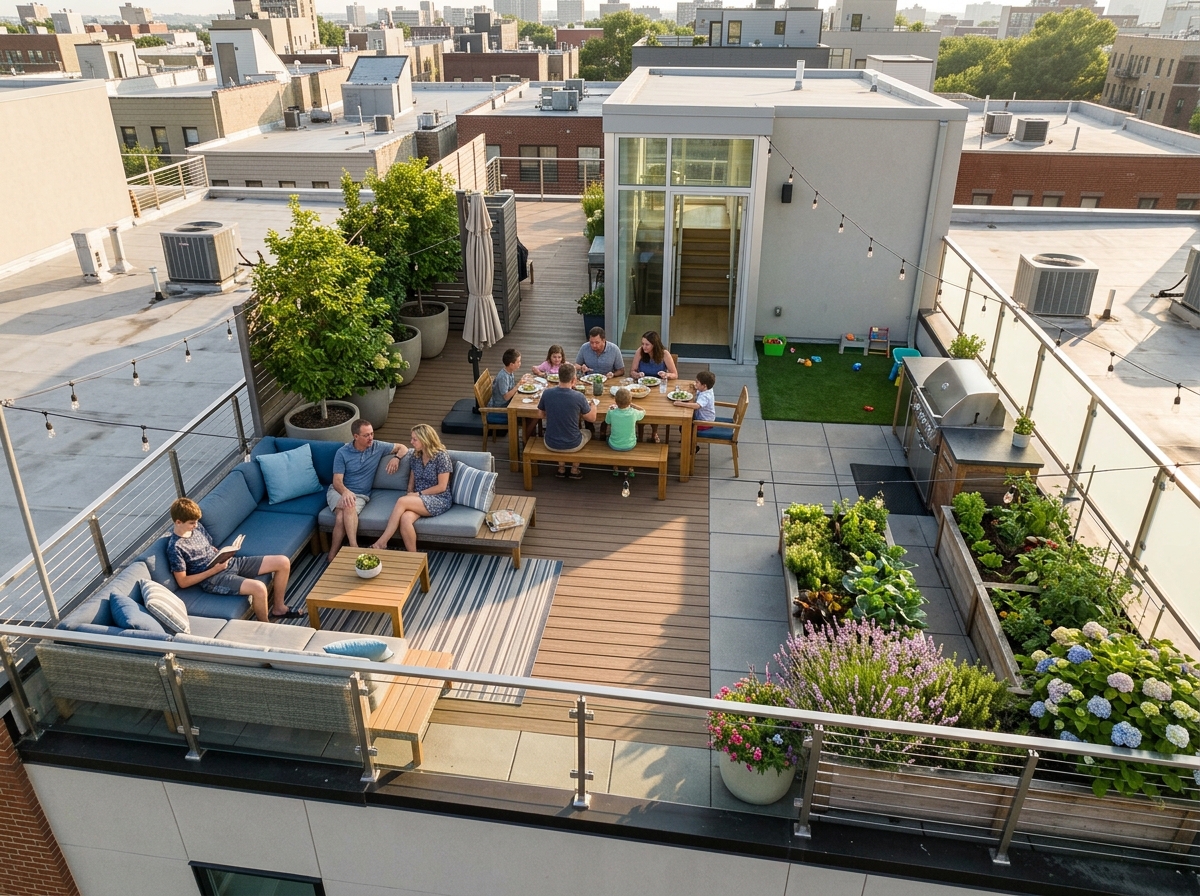
On balconies and in courtyards, string lights or solar lanterns create instant atmosphere for evening chai. Keep outdoor fixtures simple and weatherproof, and choose warm white so the space feels like an extension of the home rather than a parking lot.

Smart Tips for Pakistani Homes
A few realities of local homes deserve special attention. These home lighting ideas are tailored for Pakistani homes.
Choose LEDs everywhere. They use far less electricity, last years longer than old bulbs and run far cooler — which matters when summer temperatures are already high. Replace tube lights and energy savers with LED panels or bulbs as the old ones burn out.
Pick your colour temperature deliberately. Warm white (2700K–3000K) for living rooms and bedrooms, neutral white (3500K–4000K) for kitchens and study areas. Mixing randomly is the fastest way to make a home feel disjointed.
Plan for power cuts. A couple of rechargeable LED lamps or a UPS-backed light point in the living room and kitchen keep the house liveable during outages. Solar garden lights are a cheap, zero-wiring option for outdoor paths.
Mind the ceiling fan. In rooms with fans, a single central light above the blades creates a strobe effect. Offset the light, use multiple downlights around the fan, or rely more on lamps and wall lights in fan rooms.
Keep fixtures dust-friendly. Open, upward-facing shades collect dust fast. In dusty areas, choose enclosed fixtures or designs you can wipe down easily — and clean them every few months, because a dusty shade can quietly halve your light output.

Common Lighting Mistakes to Avoid
- One light per room. A single ceiling bulb is the root of most lighting problems. Add lamps.
- All lights at full brightness. Bright is for working; warm and low is for relaxing. Give yourself both options.
- Ignoring scale. A tiny pendant over a large dining table — or a huge chandelier in a low-ceiling room — looks wrong. Match fixture size to the room.
- Forgetting the hallway. Corridors and staircases need light too; a simple wall light every few metres keeps the whole house feeling finished.
- No focal point. Accent lighting on one feature — artwork, a textured wall, a plant shelf — gives the eye somewhere to land.

Putting These Home Lighting Ideas to Work
Great lighting is not about buying the most expensive fixtures. It is about layering: ambient light to see, task light to work, accent light to enjoy. Start with the room you use most — probably the living room or bedroom — add one lamp or strip this week, and notice how different the space feels. Then work your way through the house. Your decor will thank you. Put these home lighting ideas to work one room at a time, and the difference will surprise you.
Frequently Asked Questions
What is the best lighting for a living room?
A mix: a central ceiling fixture for general light, a floor or table lamp for warmth, and accent lighting such as an LED strip behind the TV or a picture light on artwork. Dimmable warm-white bulbs give you day and evening moods in one room.
Which light colour is best for a bedroom?
Warm white, around 2700K–3000K. It feels cosy, flatters skin tones and helps your body wind down in the evening. Avoid cool white in bedrooms.
How can I improve kitchen lighting without rewiring?
Stick-on or plug-in LED strips under the wall cabinets are the easiest upgrade — no electrician needed. Add a brighter bulb in the existing ceiling fixture and a plug-in lamp in any dark corner.
Are LED lights really worth the higher upfront cost?
Yes. LEDs use a fraction of the electricity of old bulbs, last many times longer and produce far less heat. In a home where lights run for hours every evening, the savings add up quickly.
How do I light a room with a ceiling fan?
Avoid a single central light directly above the fan blades, which creates flicker. Use downlights arranged around the fan, wall lights, or floor and table lamps instead — and consider false ceiling ideas that build lighting into the design away from the fan.
4 thoughts on “Home Lighting Ideas: How to Layer Light in Every Room for a Warm, Stylish Home”